


Do ski slippers have a good grip on icy slopes?
As a supplier of ski slippers, I've been asked this question countless times. The answer isn't as straightforward as a simple yes or no. It depends on several factors, including the design of the slipper, the materials used, and the specific conditions of the icy slope.
The Science Behind Grip
To understand whether ski slippers can provide good grip on icy slopes, we first need to delve into the science of friction. Friction is the force that resists the relative motion of two surfaces in contact. On an icy slope, the coefficient of friction is extremely low, which means there is less resistance to sliding. This is why walking on ice can be so treacherous.
Ski slippers, like any footwear, rely on friction to provide grip. The soles of the slippers need to create enough friction with the icy surface to prevent slipping. There are a few key factors that contribute to the friction between the slipper sole and the ice:
- Material: The material of the sole plays a crucial role in determining the grip. Rubber is a common material used in ski slippers because it has a relatively high coefficient of friction on ice. However, not all rubbers are created equal. Some rubbers are formulated to provide better grip in cold temperatures, while others may become hard and slippery when exposed to ice.
- Tread Pattern: The tread pattern of the sole can also affect the grip. A tread pattern with deep grooves and channels can help to channel water and slush away from the sole, reducing the risk of hydroplaning and improving traction. Additionally, a tread pattern with a lot of small, sharp edges can provide more points of contact with the ice, increasing the friction.
- Surface Area: The surface area of the sole in contact with the ice can also impact the grip. A larger surface area can distribute the weight of the wearer more evenly, reducing the pressure on any one point and increasing the friction. However, a larger surface area may also increase the risk of slipping if the sole is not designed to provide adequate traction.
Design Features of Ski Slippers for Grip
Many ski slippers are designed with specific features to enhance grip on icy slopes. Here are some common design features to look for:
- Anti-Slip Rubber Soles: As mentioned earlier, rubber is a popular material for ski slipper soles because of its high coefficient of friction on ice. Look for slippers with anti-slip rubber soles that are specifically designed for use on ice. Some slippers may also have a special coating or treatment on the sole to improve grip.
- Deep Tread Patterns: A deep tread pattern can help to channel water and slush away from the sole, reducing the risk of hydroplaning and improving traction. Look for slippers with tread patterns that have deep grooves and channels, as well as small, sharp edges for increased friction.
- Multi-Directional Tread: A multi-directional tread pattern can provide better grip in all directions, making it easier to walk on uneven or slippery surfaces. Look for slippers with a tread pattern that has a combination of horizontal, vertical, and diagonal grooves.
- Grip Enhancing Inserts: Some ski slippers may have grip enhancing inserts, such as metal studs or spikes, to provide additional traction on ice. These inserts can be particularly useful in very icy conditions or on steep slopes. However, it's important to note that some ski resorts may have restrictions on the use of metal studs or spikes, so be sure to check the rules before using them.
Testing the Grip of Ski Slippers
To determine whether a pair of ski slippers has a good grip on icy slopes, it's important to test them in real-world conditions. Here are some tips for testing the grip of ski slippers:
- Find an Icy Surface: Look for an icy surface, such as a frozen pond or a snow-covered sidewalk, to test the slippers. Make sure the surface is smooth and free of debris.
- Walk Slowly and Carefully: Walk slowly and carefully on the icy surface, paying attention to how the slippers feel. Notice whether the soles slip or slide, and whether you feel stable and secure.
- Try Different Surfaces: Test the slippers on different types of icy surfaces, such as hard-packed snow, slush, and ice. Different surfaces may require different levels of grip, so it's important to test the slippers in a variety of conditions.
- Compare Different Slippers: If possible, compare the grip of different ski slippers to see which ones perform best. Look for slippers with a combination of good materials, tread patterns, and design features.
Our Ski Slipper Offerings
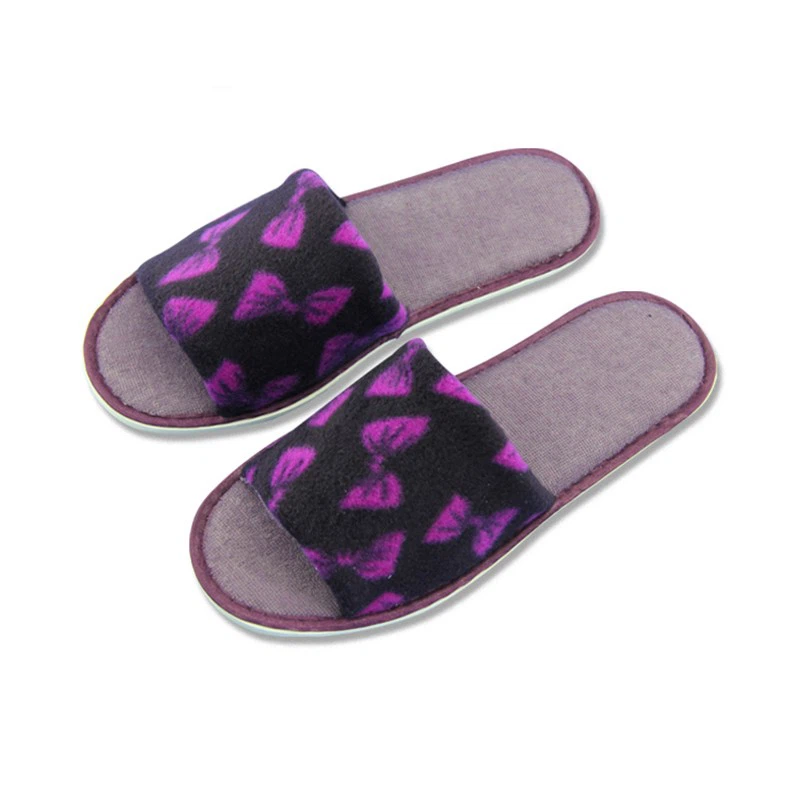
As a ski slipper supplier, we offer a wide range of ski slippers that are designed to provide excellent grip on icy slopes. Our Ski Resorts Winter Lodges Slipper features a high-quality anti-slip rubber sole with a deep tread pattern to channel water and slush away from the sole, reducing the risk of hydroplaning and improving traction. The slipper also has a soft, comfortable interior to keep your feet warm and dry.
Our Apres Ski Slipper is another popular option. It features a durable rubber sole with a multi-directional tread pattern that provides excellent grip on a variety of surfaces, including ice. The slipper also has a stylish design that makes it perfect for wearing both on and off the slopes.
If you're looking for a more lightweight and breathable option, our Cotton Ski Shoe Slipper is a great choice. It features a cotton upper with a rubber sole that provides good grip on ice. The slipper is also machine washable, making it easy to keep clean.

Conclusion
In conclusion, ski slippers can have a good grip on icy slopes, but it depends on several factors, including the design of the slipper, the materials used, and the specific conditions of the icy slope. By choosing ski slippers with high-quality materials, a good tread pattern, and specific design features for grip, you can increase your chances of staying safe and stable on icy slopes.
If you're in the market for ski slippers, we invite you to explore our range of products. We're confident that you'll find a pair of ski slippers that meets your needs and provides excellent grip on icy slopes. Whether you're a seasoned skier or a beginner, our ski slippers are designed to keep you comfortable, warm, and safe on the slopes.
If you have any questions or would like to discuss your specific requirements, please don't hesitate to contact us. We're here to help you find the perfect ski slippers for your needs.
References
- Bowden, F. P., & Tabor, D. (1964). The friction and lubrication of solids. Oxford University Press.
- Persson, B. N. J. (2006). Sliding friction: Physical principles and applications. Springer.
- Oksanen, T., & Keinonen, J. (2008). Friction of rubber on ice: The role of viscoelasticity and surface roughness. Journal of Applied Physics, 104(6), 064902.


