


As a house slipper supplier deeply involved in the industry, I've always been focused on the advantages and appeal of our products. However, it's essential to have an open and honest conversation about the disadvantages of wearing house slippers. While these cozy footwear options are a staple in many homes, they come with a few downsides that consumers should be aware of.
Lack of Arch Support
One of the most significant drawbacks of wearing house slippers is the general lack of proper arch support. Many house slippers are designed primarily for comfort and relaxation, often featuring a flat sole and minimal cushioning. This lack of support can be problematic, especially for individuals with flat feet or high arches. Without adequate arch support, the feet are forced to bear the body's weight unevenly, leading to increased stress on the joints and muscles.
Over time, this uneven pressure distribution can result in foot pain, plantar fasciitis, and even contribute to the development of more serious foot conditions. For example, a study published in the Journal of Foot and Ankle Research found that individuals who wore unsupportive footwear had a higher prevalence of heel pain and plantar fasciitis compared to those who wore shoes with proper arch support. Therefore, if you spend a significant amount of time on your feet at home, wearing house slippers without adequate arch support could potentially exacerbate existing foot problems or lead to new ones.
Hygiene Concerns
Another disadvantage of wearing house slippers is the potential for hygiene issues. House slippers are often worn indoors without socks, which means they come into direct contact with the feet. As a result, they can accumulate sweat, dirt, and bacteria over time, creating an ideal environment for unpleasant odors and fungal infections such as athlete's foot.
In addition, if multiple people in a household wear the same pair of slippers, there is an increased risk of cross - contamination. For instance, a person with a fungal infection could easily transfer the fungus to the slippers, which can then be passed on to other family members. To mitigate these hygiene concerns, it's important to regularly clean and air out your house slippers. However, not all slippers are machine - washable, and some materials may not hold up well in the washing machine, making it difficult to maintain proper hygiene.
Limited Durability
House slippers are typically made from soft and lightweight materials such as fleece, felt, or fabric, which are great for comfort but may not be the most durable. These materials can wear out quickly, especially if they are subjected to regular friction and use. For example, the soles of house slippers can become thin and lose their grip, increasing the risk of slips and falls.
The upper part of the slippers may also start to fray or tear, making them look worn and unappealing. In contrast, outdoor shoes are often made from more robust materials such as leather or synthetic materials that are designed to withstand the rigors of daily use. If you're someone who is hard on your shoes or if you expect your house slippers to last a long time, you may be disappointed with the limited durability of many options on the market.
Impact on Posture
While house slippers are designed to be comfortable, their lack of structure can have a negative impact on posture. The soft and flexible nature of most house slippers allows the feet to move freely, which can lead to improper foot alignment. When the feet are not aligned correctly, it can affect the entire body's alignment, causing the knees, hips, and spine to be misaligned as well.

Poor posture can result in a variety of health problems, including back pain, neck pain, and muscle fatigue. A research paper from the International Journal of Environmental Research and Public Health emphasized the importance of proper foot support in maintaining good posture. Since house slippers often fail to provide this support, prolonged use can gradually lead to postural issues over time.
Safety Hazards
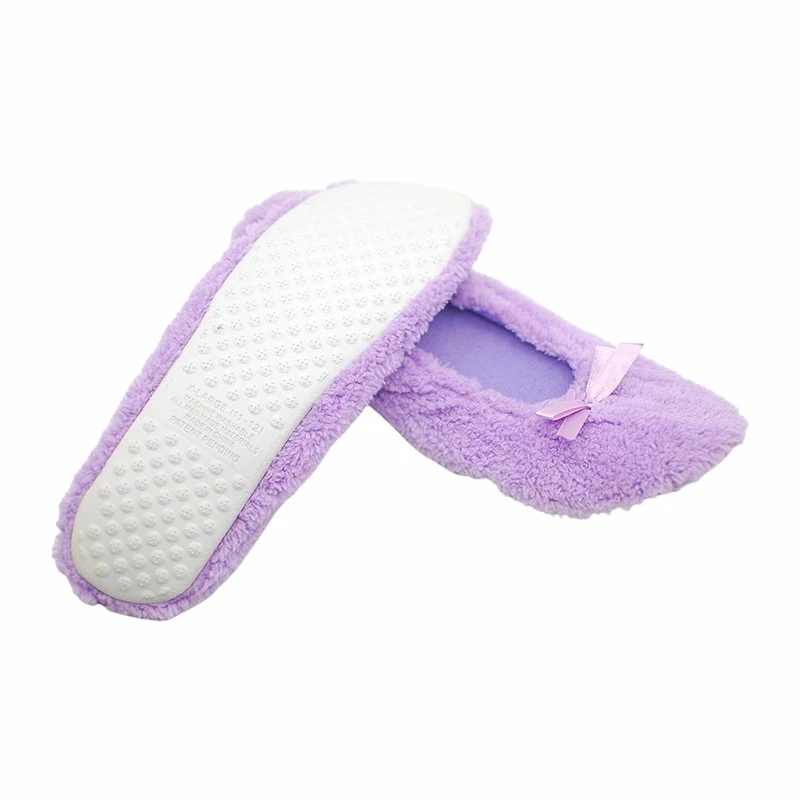
Although many house slippers are designed with non - slip soles, not all of them offer adequate traction. Slippery floors, such as those made of tile or hardwood, can pose a significant safety hazard when wearing house slippers with poor grip. Even if the slippers claim to be non - slip, the soles can wear down over time, reducing their effectiveness.
Slips and falls are a common cause of injuries in the home, especially among the elderly and young children. To ensure safety, it's important to choose house slippers with high - quality non - slip soles. You can check out our Non - slip House Shoes for options that are designed to provide reliable traction on various surfaces.
Fashion and Versatility Limitations
House slippers are generally designed for indoor use and may not be suitable for more formal or versatile occasions. Their casual and often bulky appearance makes them inappropriate to wear outside the house or in certain social settings. If you need to quickly run out to the mailbox or greet a neighbor at the door, wearing house slippers may not be the most presentable option.
Moreover, the color and style options for house slippers can be limited compared to other types of footwear. While there are some Luxury House Slippers that offer more sophisticated designs, they may not be suitable for everyday wear. As a result, you may find yourself needing to switch shoes multiple times a day, which can be inconvenient.
Temperature Regulation
Some house slippers are made from thick and insulating materials, which can be great for keeping your feet warm in the winter but may be uncomfortable in the summer. In hot weather, wearing these slippers can cause your feet to overheat, leading to sweating and discomfort. On the other hand, lightweight and breathable house slippers may not provide enough warmth during the colder months.
Finding the right balance between warmth and breathability can be a challenge. It's important to choose house slippers that are appropriate for the season and your specific needs. Our Mens Home Slipper collection includes options with different materials and thicknesses to help you stay comfortable year - round.
Conclusion
While house slippers offer comfort and relaxation, they come with several disadvantages that should be considered. From lack of arch support and hygiene concerns to limited durability and safety hazards, it's important to be aware of these potential issues when choosing the right house slippers for you. However, as a house slipper supplier, we are constantly working to improve our products and address these concerns.
We offer a wide range of house slippers that are designed to provide better support, durability, and safety. If you're interested in exploring our product options or have any questions about our house slippers, we encourage you to reach out to us for a procurement discussion. We look forward to working with you to find the perfect house slippers that meet your needs and preferences.
References
- Journal of Foot and Ankle Research, "The relationship between footwear and foot pain: A systematic review"
- International Journal of Environmental Research and Public Health, "The impact of footwear on postural control and musculoskeletal health"


