


When it comes to men's spa experiences, every detail matters, including the slippers. As a supplier of Men's Spa Slippers, I'm often asked about the materials used to make these essential items. In this blog post, I'll delve into the various materials commonly employed in the production of men's spa slippers, exploring their characteristics, benefits, and drawbacks.

Cotton
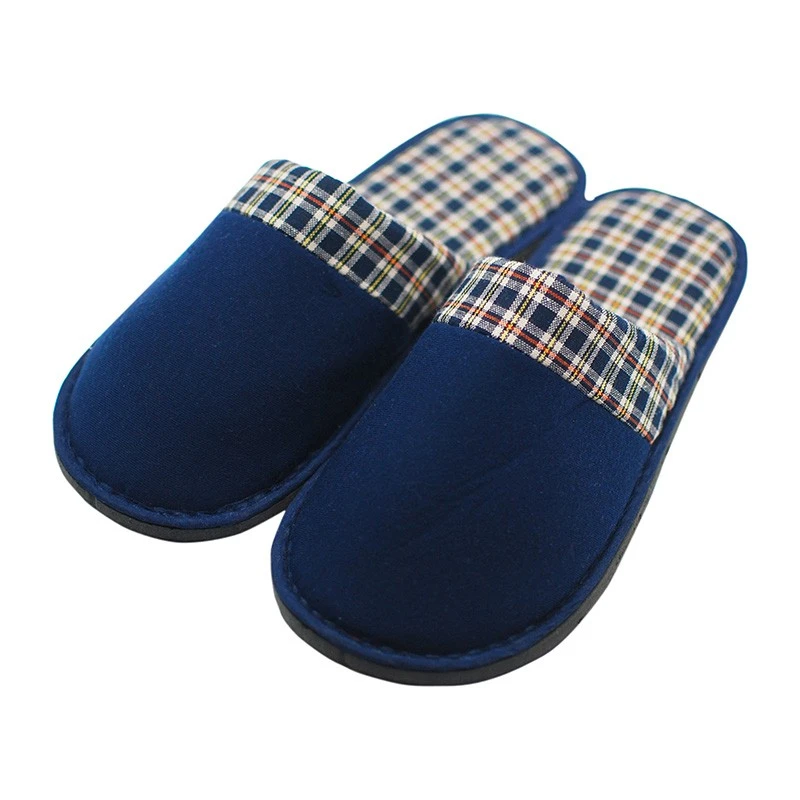
Cotton is a popular choice for men's spa slippers due to its natural, breathable, and soft properties. It's a plant-based fiber that allows air to circulate around the feet, keeping them cool and dry. This is particularly important in a spa environment where foot perspiration can be a concern. Cotton slippers are also gentle on the skin, making them suitable for men with sensitive feet.
One of the main advantages of cotton slippers is their comfort. They feel soft against the skin and are often lined with a plush inner layer for added coziness. Cotton is also highly absorbent, which means it can soak up any moisture from the feet, preventing a damp and uncomfortable feeling.
However, cotton slippers may not be the most durable option. They can wear out relatively quickly, especially if they are used frequently. Additionally, cotton can shrink if it's not washed properly, so it's important to follow the care instructions carefully. If you're interested in cotton Men's Spa Slippers, you can check out our selection here.
Microfiber
Microfiber is a synthetic material that has gained popularity in the spa industry in recent years. It's made from extremely fine fibers that are often a blend of polyester and nylon. Microfiber slippers are known for their softness, absorbency, and quick-drying properties.
One of the key benefits of microfiber is its ability to wick away moisture from the feet. This makes it an ideal material for spa slippers, as it helps to keep the feet dry and comfortable. Microfiber is also very lightweight, which means it won't add any extra bulk to the feet.
In addition to its functional properties, microfiber is also easy to clean. It can be machine washed and dried, making it a convenient option for both spa owners and guests. However, some people may find that microfiber slippers don't have the same natural feel as cotton slippers. If you're looking for a high-performance, easy-to-care-for option, our Disposable Spa Slippers made from microfiber are a great choice.
Rubber
Rubber is a versatile material that is commonly used in the soles of men's spa slippers. It provides excellent traction, which is essential for preventing slips and falls in wet spa environments. Rubber soles are also durable and can withstand a lot of wear and tear.
There are different types of rubber that can be used in spa slippers. Natural rubber is derived from the sap of rubber trees and is known for its elasticity and resilience. Synthetic rubber, on the other hand, is made from petroleum-based chemicals and can be engineered to have specific properties, such as increased slip resistance or durability.
One of the disadvantages of rubber soles is that they can sometimes feel heavy and stiff. However, modern manufacturing techniques have made it possible to produce lightweight and flexible rubber soles that provide a good balance of comfort and functionality. If you're looking for spa slippers with reliable traction, our Flip Flops Spa Slipper with rubber soles are a great option.
Faux Fur
Faux fur is a synthetic alternative to real fur that is often used in the lining of men's spa slippers. It provides a luxurious and warm feeling, making the slippers more comfortable to wear. Faux fur is also hypoallergenic, which means it's suitable for men with allergies or sensitive skin.
One of the benefits of faux fur is its appearance. It can give the slippers a stylish and sophisticated look, which can enhance the overall spa experience. Faux fur is also easy to clean and maintain, as it can usually be spot cleaned or machine washed on a gentle cycle.
However, faux fur may not be the most practical material for all spa environments. It can be more difficult to dry than other materials, and it may not be as breathable. If you're looking for a luxurious and comfortable option, our men's spa slippers with faux fur lining are worth considering.
Bamboo
Bamboo is a sustainable and eco-friendly material that is becoming increasingly popular in the production of men's spa slippers. It's a fast-growing plant that requires less water and pesticides than other crops, making it a more environmentally friendly choice.
Bamboo fibers are naturally soft and absorbent, which makes them comfortable to wear. They also have antibacterial and antifungal properties, which can help to keep the feet fresh and odor-free. Bamboo slippers are also breathable, allowing air to circulate around the feet and preventing sweating.
One of the challenges of using bamboo in spa slippers is that it can be more expensive than other materials. However, the benefits of its sustainability and comfort may outweigh the cost for some consumers. If you're interested in eco-friendly Men's Spa Slippers, our bamboo options are a great choice.
Conclusion
In conclusion, there are several materials that can be used to make men's spa slippers, each with its own unique characteristics and benefits. Cotton is a natural and comfortable option, microfiber is absorbent and easy to clean, rubber provides excellent traction, faux fur adds a touch of luxury, and bamboo is sustainable and eco-friendly.
As a supplier of Men's Spa Slippers, we offer a wide range of options made from these materials to meet the diverse needs of our customers. Whether you're a spa owner looking for high-quality slippers for your guests or an individual looking for a comfortable and stylish pair for your home spa, we have the perfect solution for you.
If you're interested in learning more about our products or would like to place an order, please don't hesitate to contact us. We're always happy to help you find the right men's spa slippers for your needs.
References
- "Textiles for Apparel: Fashion, Function, and Technology" by Susan E. Kaiser
- "The Handbook of Footwear Design and Manufacture" by John F. Kennedy
- "Sustainable Textiles and Fashion: Design Journeys" by Kate Fletcher and Mathilda Tham


